Why Email Marketing Still Drives ROI

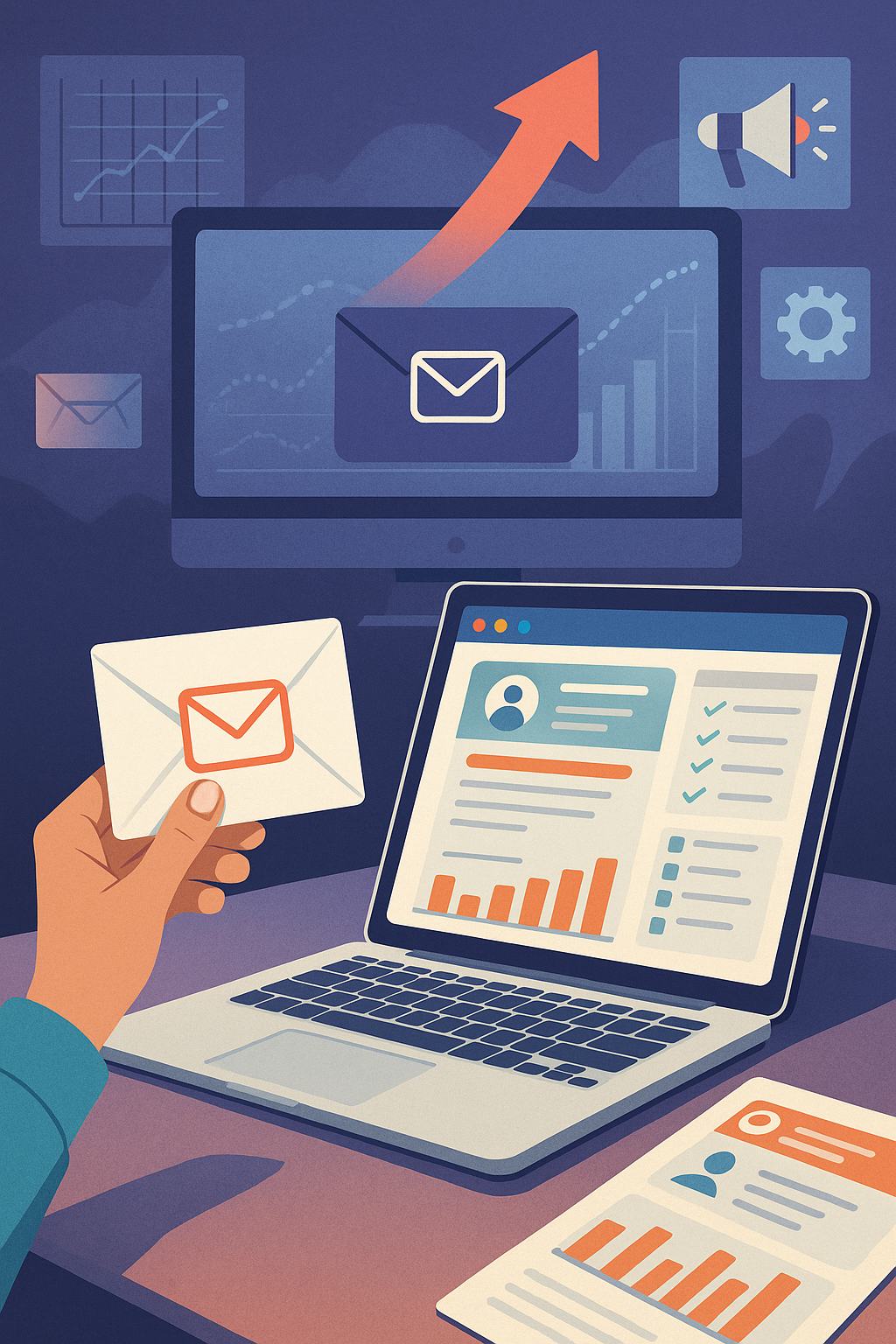
Marketing channels shift almost as quickly as customer expectations. It's easy to assume traditional tactics have lost their edge. But one channel keeps proving otherwise: email.
For more than twenty years, think pieces have proclaimed email "dead," and the numbers keep disagreeing. Email averages $36 to $42 in revenue for every $1 invested.
The reason isn't nostalgia. It's relevance.
1) Email Is Permission-Based and That Changes Everything
Unlike social ads or display banners that interrupt, email is welcomed into the inbox by explicit opt-in. Your recipients raised their hands to hear from you, making it high-intent and high-trust. When you respect that permission by sending relevant messages, you're building a relationship. And relationships convert.
2) It's the Only Channel You Own
Social platforms can change algorithms overnight. Search visibility can vanish with one update. Marketplaces can adjust fees or policies without notice. Email is different. Your subscriber list is an owned asset. The people on it can be reached without relying on a gatekeeper, giving your business more stability and control over communication.
3) Personalization at Scale Works Here
Modern CRM systems, data platforms, and personalization tools mean email is no longer a one-size-fits-all blast. Brands can tailor content based on purchase history, browsing behavior, loyalty tier, and predicted next-best offer. These tactics consistently increase engagement and drive incremental revenue. Personalized emails routinely deliver higher transaction rates than generic ones.
4) It's Cost-Effective by Design
Email doesn't require massive creative budgets or expensive media buys. Once the right strategy and automation are in place, sending to thousands (or millions) costs fractions of a cent per recipient. That's why even small improvements in open, click, or conversion rates can produce outsized revenue gains.
5) It Complements Every Other Channel
Think of email as an amplifier. It increases awareness of campaigns running on paid search, social, and in-store, and ties them together into a cohesive journey. It makes sure customers don't just see your message once. They remember it.
6) The Metrics Prove It
Email provides real, measurable performance data without guesswork. You can track opens, clicks, conversions, AOV, subscriber lifetime value, and engagement over time. This level of transparency allows rapid optimization, something not all channels can match.
Leadership Takeaway
Email's ROI isn't an accident. It's the product of permission, ownership, personalization, cost-efficiency, and integration with the rest of your marketing ecosystem. If you treat email as a commodity channel, it will behave like one. Invest in segmenting, personalizing, testing, and respecting the inbox, and you'll find it still drives sustainable growth.
Next Steps
- Audit your list: Prune disengaged contacts to protect deliverability
- Map your lifecycle journeys: Make sure every touchpoint has a clear purpose
- Layer in personalization: Start with one or two high-impact segments
- Measure what matters: Tie metrics to revenue, not vanity stats
Keep Reading
Glossary: Deliverability | Customer Lifetime Value (CLV)