Building a Strong CRM Framework: Lessons from the Field and Avoiding the Pitfalls

Every business wants a system that engages customers, builds relationships, and grows revenue. In my work across Amazon.com, Ancestry.com, Stanley Black & Decker, Bed Bath & Beyond, Overstock.com, and buybuyBABY, the common denominator for making that happen always comes back to one operational tool: Customer Relationship Management (CRM).
But implementing a CRM goes well beyond choosing a software package. It takes technology, people, and processes working together to amplify the voice of the customer throughout the business.
Learning from common CRM pitfalls
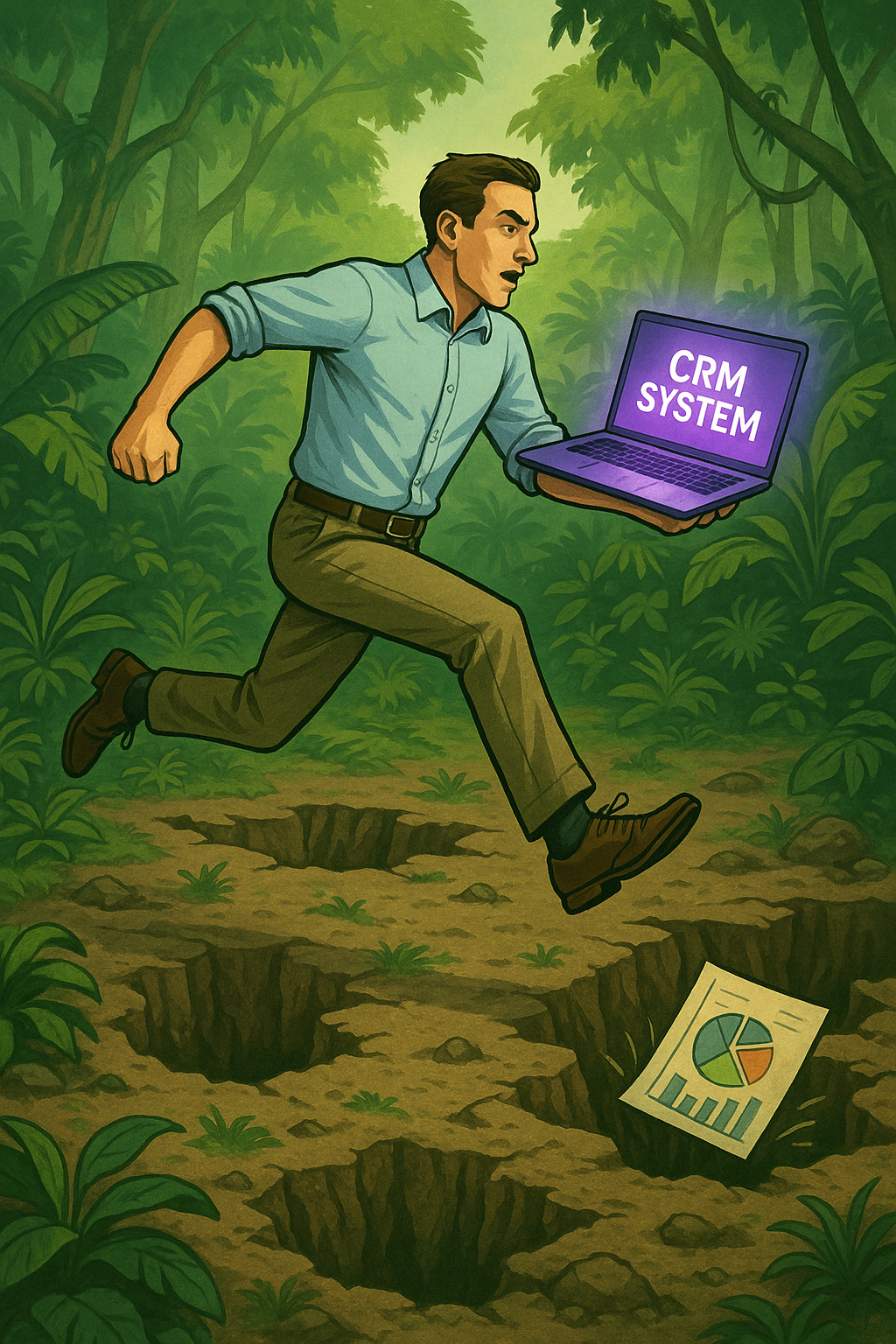
An article titled "Naughty or Nice List: CRM Pitfalls and Best Practices" by Chris Fritsch outlined mistakes companies keep making when implementing CRM platforms. A few stood out:
- Neglecting data hygiene, which causes campaigns to misfire due to inaccurate or outdated customer records.
- Failing to fully integrate CRM into the broader tech ecosystem, resulting in a fragmented view of the customer.
- Skipping ongoing team education, which weakens long-term system consistency and kills adoption.
These are not minor slip-ups. Each one erodes trust in your CRM system and creates barriers between your team and the customer insights they need.
Drawing from experience: CRM as a reflection of customer culture
I've seen what happens when CRM is done right, and when it's not. Several years ago, we were optimizing a CRM platform for one of our brands. Our data looked good on paper, but marketing insights were siloed. Personalization suffered. Campaigns were flat.
The breakthrough came when we tightened the CRM's integration across our stack and invested in team training. Merchandising and marketing got in sync. Personalization improved. Response rates and customer satisfaction jumped. CRM is not just a tool. It's a living reflection of how well your teams listen to and understand your customers.
CRM as a cultural cornerstone
The most useful realization I've had about CRM over the years:
CRM is not operational software. It's a cultural commitment to knowing and serving your customers deeply.
When teams treat CRM as a customer story engine instead of a database, things change. It becomes a strategic lens for anticipating needs, shaping relevant offers, and delivering standout service.
Here's a real example. When launching a new feature, we used CRM-driven segmentation to personalize our outreach. Instead of a single campaign blast, we tailored messaging to reflect customer behaviors and past interactions. The result: higher open rates, deeper engagement, and better retention.
CRM as the spine of journey crafting
As architects of the customer experience, we need to see CRM as the spine of the modern customer journey.
That means:
- Prioritizing data integrity
- Creating shared ownership across departments
- Using insights to drive personalization and timing
- Making CRM training a living part of team onboarding and development
With CRM as your foundation, insight becomes action, and actions build loyalty.
Final thought: what's your CRM culture?
Whether you lead a startup or a global brand, CRM can be your most strategic investment, if your team adopts it as more than just tech.
How is your team using CRM to create standout customer experiences? I'd like to hear how CRM is shaping your customer relationships, and how you're building systems that don't just support transactions but build loyalty and connection.
Andrew
Keep Reading