How AI is Changing Customer Segmentation

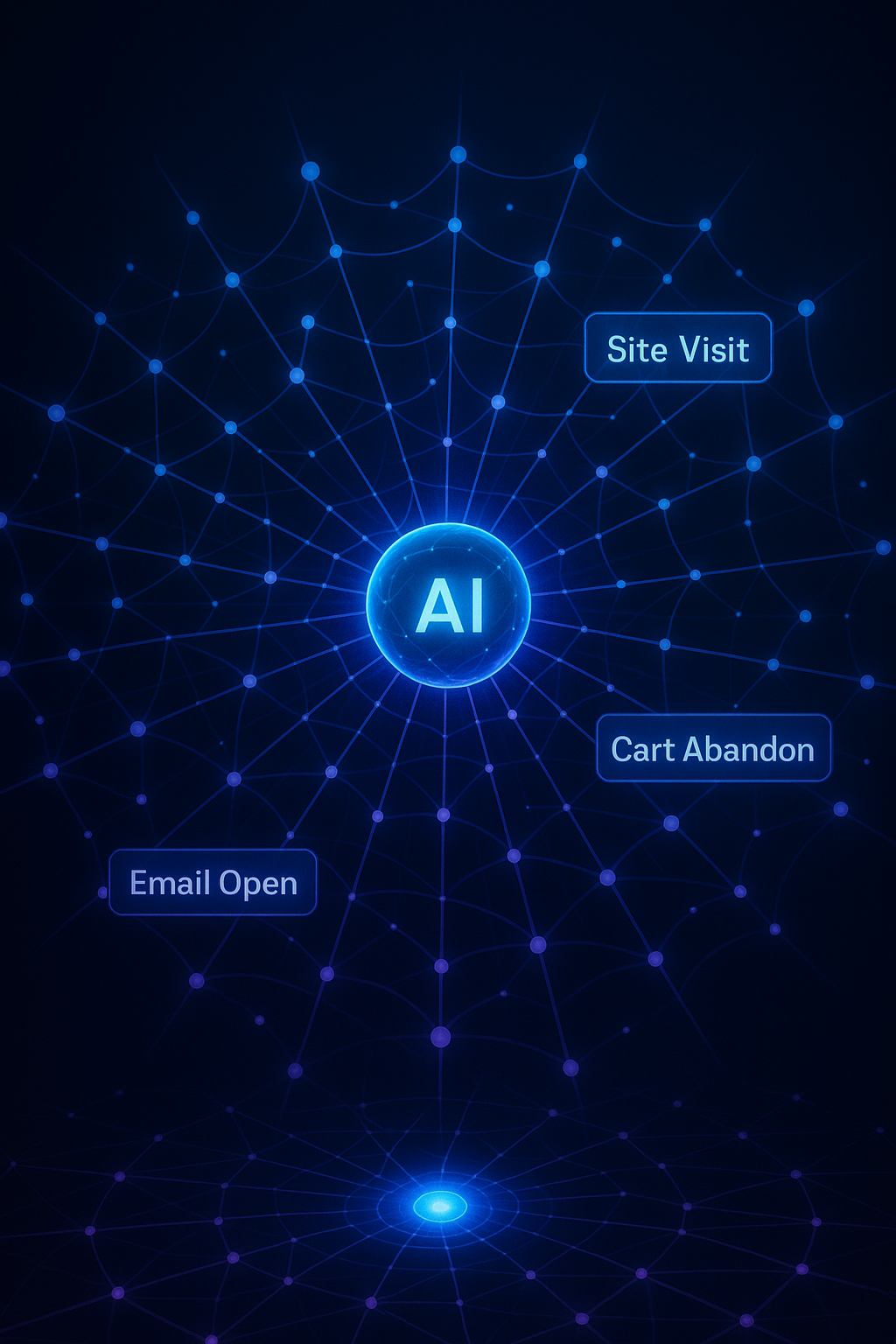
Customer segmentation has always been at the heart of effective marketing. Traditionally, marketers grouped customers into static segments (age ranges, income brackets, geographies) and designed campaigns to match. In 2025, that approach is outdated.
AI isn't just making segmentation faster. It's making it smarter, more dynamic, and far more personalized.
From static to dynamic segments
In the old world, segmentation was like carving a stone statue: fixed once created, slow to adapt, costly to update. AI replaces that with a system that redefines segments in real time based on new data.
Picture this: you launch a holiday campaign, and mid-flight, your system recognizes that a new segment is forming. Customers who respond to social media flash sales but ignore email offers. In a static model, you'd catch that insight weeks later. With AI, it's visible and actionable immediately.
Where AI changes segmentation
Here are the biggest shifts:
Behavioral clustering at scale. Machine learning models detect subtle behavioral patterns humans miss, like customers who abandon carts on mobile but convert on desktop after watching a how-to video.
Predictive segmentation. Instead of looking backward at past purchases, AI projects future value, identifying high-potential customers before they've made a second purchase.
Context-aware personalization. AI merges CRM data with external signals (seasonality, location data, macroeconomic trends) to keep segments contextually relevant in the moment.
Continuous optimization. Segments aren't created once. They're constantly tested, refined, split, or merged to maximize performance.
Real-world example
At Beyond, Inc., our customer base spans diverse brands and shopping behaviors. Historically, we used RFM (Recency, Frequency, Monetary value) as a starting point for segmentation.
By introducing AI-driven propensity models, we've been able to:
- Predict which lapsed customers are most likely to respond to reactivation campaigns.
- Surface micro-segments, like "first-time buyers who purchase in bundles" or "deal-seekers who respond to SMS but not email."
- Shift budget in real time toward high-performing segments without waiting for end-of-month reporting.
The result: more relevant messaging, higher engagement, and improved ROI without increasing total send volume.
What this means for marketers
AI-driven segmentation still requires:
- Clean, unified data (garbage in, garbage out).
- Clear business objectives (don't optimize for clicks if you care about margin).
- Human oversight (AI can suggest; you still decide).
When implemented correctly, it changes the marketer's role. You move from guessing who to target to steering real-time customer experiences.
The next frontier
The next evolution isn't just better segments. It's eliminating them entirely. AI will enable true one-to-one personalization at scale, where every customer journey is uniquely orchestrated and "segments" become just an intermediate step.
For now, the smartest brands are blending AI-powered insights with human creativity and ethical safeguards to keep personalization relevant and respectful.
AI is turning segmentation from a marketing chore into a competitive advantage. The question isn't whether you'll adopt AI-driven segmentation. It's how fast you can adapt.
Keep Reading
Glossary: RFM Segmentation | Customer Lifetime Value (CLV)